
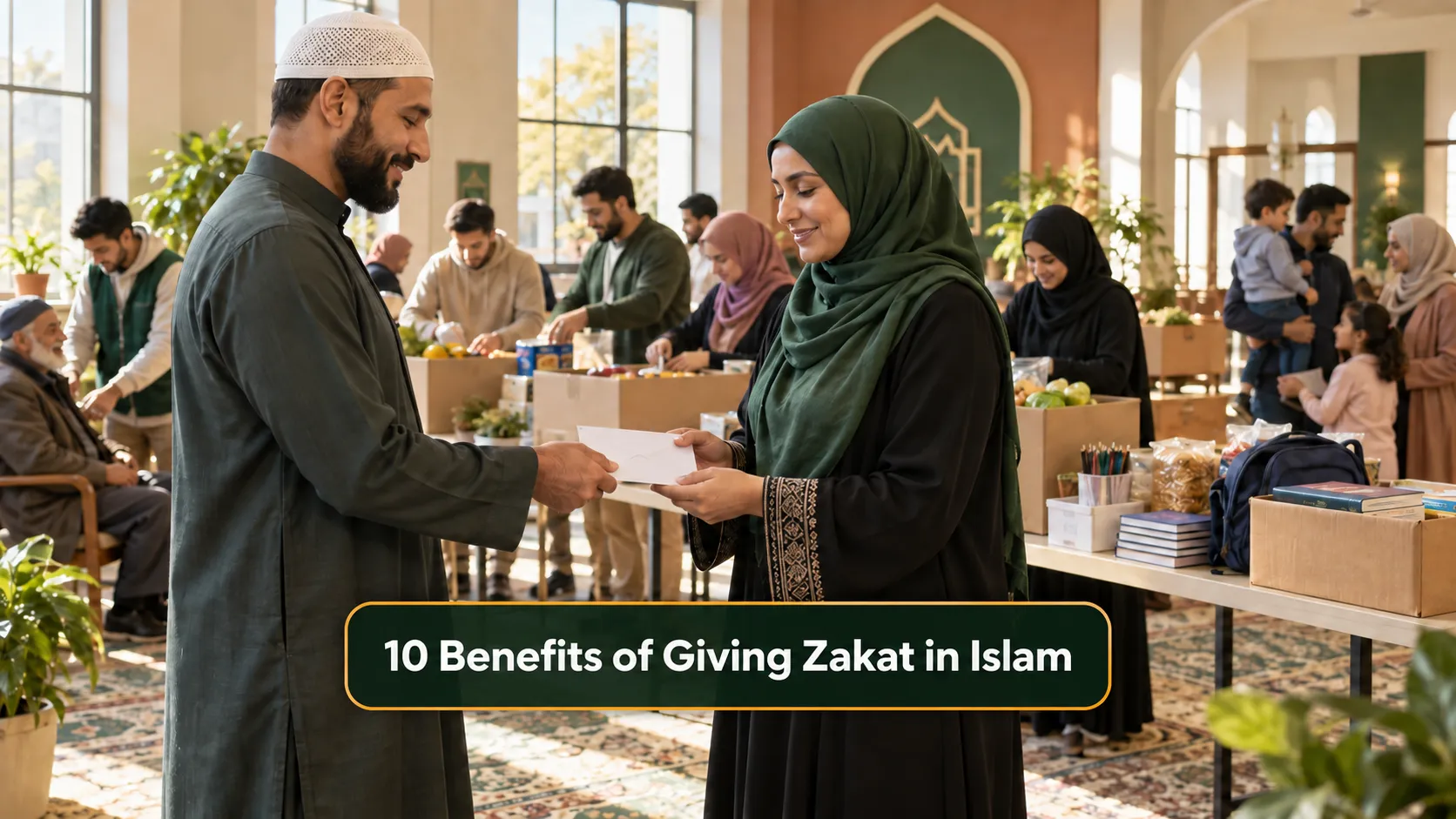
Zakat is one of the five pillars of Islam and an important act of worship for eligible Muslims. It is not simply a donation or a form of general charity. Zakat is an obligation that teaches Muslims to recognize Allah’s blessings, purify their wealth and support people experiencing financial hardship.
When Muslims give Zakat correctly, its impact reaches beyond one individual. It can help families access food, shelter, education, healthcare and other essential support. It also strengthens compassion, responsibility and unity within the Muslim community.
Below are ten important benefits of giving Zakat and why this obligation continues to play a meaningful role in Muslim life.
What Is Zakat?
Zakat is an obligatory contribution paid by Muslims whose eligible wealth reaches the required Nisab threshold and remains in their possession for a complete lunar year, where applicable.
The word “Zakat” carries the meaning of purification and growth. By giving a portion of eligible wealth to qualified recipients, a Muslim fulfills a religious obligation and helps strengthen the wider community.
Zakat is generally calculated at 2.5% on qualifying wealth, although different rules may apply to certain assets. Anyone who is unsure about their calculation should consult a qualified Islamic scholar or use a reliable [Zakat Calculator].
1. Zakat Fulfills an Important Islamic Obligation
Giving Zakat allows eligible Muslims to fulfill one of the five pillars of Islam. The Quran repeatedly connects prayer with Zakat, showing its importance in a believer’s religious and social life.
Paying Zakat is an expression of obedience to Allah. It reminds Muslims that faith includes both worship and responsibility toward others.
By understanding and fulfilling this obligation correctly, Muslims strengthen their relationship with Allah and demonstrate their commitment to Islamic teachings.
2. Zakat Purifies Your Wealth
One of the central purposes of Zakat is the purification of wealth. Islam teaches that everything a person owns is ultimately a blessing and trust from Allah.
Giving a portion of eligible wealth helps protect the heart from greed, excessive attachment and selfishness. It encourages Muslims to use their financial blessings responsibly.
Zakat does not reduce the spiritual value of wealth. Instead, it brings purification, gratitude and greater awareness of how wealth should be earned, managed and shared.
3. Zakat Develops Gratitude and Humility
Regularly calculating and giving Zakat encourages Muslims to reflect on the blessings in their lives.
It creates gratitude for income, savings, property, business assets and other forms of wealth. At the same time, it reminds people that financial circumstances can change and that many families face challenges beyond their control.
This understanding develops humility and encourages Muslims to respond to the needs of others with kindness rather than judgment.
4. Zakat Helps Fight Hunger and Poverty
A properly managed Zakat donation can provide meaningful assistance to people struggling with poverty and food insecurity.
For a family experiencing financial hardship, Zakat may help provide groceries, essential household supplies or assistance with urgent living expenses.
Supporting qualified individuals through Zakat can reduce immediate suffering while allowing recipients to maintain their dignity. It turns an individual religious obligation into practical support for the community.
5. Zakat Can Support Safe Shelter
Individuals and families can face housing emergencies because of unemployment, illness, displacement, domestic crises or unexpected financial difficulties.
When distributed according to Islamic guidelines, Zakat may help eligible recipients access temporary shelter or other essential assistance during an emergency.
Safe accommodation can provide stability while an individual or family works toward a more secure future. Through Zakat, the Muslim community can respond to housing crises with compassion and responsibility.
6. Zakat Supports Education and Opportunity
Financial hardship can prevent children and adults from accessing educational resources and valuable learning opportunities.
Eligible Zakat support may help qualifying students and families meet essential educational needs. Education can increase confidence, improve practical skills and create pathways toward long-term independence.
By supporting education, Zakat can address both immediate hardship and some of the conditions that contribute to continuing poverty.
7. Zakat Protects Human Dignity
Islam places great importance on treating every person with respect. Zakat should therefore be distributed privately, responsibly and without humiliating the recipient.
A person receiving assistance should not be made to feel inferior. The purpose is to provide support while protecting their privacy and dignity.
When organizations handle Zakat with transparency and compassion, recipients can seek help without unnecessary embarrassment or fear of judgment.
8. Zakat Strengthens Muslim Communities
Zakat creates a practical connection between people who have financial resources and those facing hardship.
This shared responsibility strengthens unity within the Muslim community. It reminds Muslims that the wellbeing of neighbors, families, seniors, widows and vulnerable individuals is a collective concern.
When community members support one another, they help create a safer, more caring and more resilient society.
9. Zakat Encourages Responsible Wealth Management
Before paying Zakat, a person must review eligible savings, investments, business assets, gold, silver and other qualifying wealth.
This process encourages greater financial awareness and discipline. It can help Muslims maintain clearer records, understand their responsibilities and make more thoughtful financial decisions.
Using an accurate [Zakat Calculator] can simplify the initial calculation. However, people with complex businesses, investments or financial circumstances should seek guidance from a knowledgeable scholar.
10. Zakat Brings Spiritual Reward
Giving Zakat with sincere intentions is an act of worship. Muslims give because they seek Allah’s pleasure and want to fulfill their responsibility toward eligible recipients.
The spiritual value of Zakat includes purification, gratitude, compassion and hope for reward in the Hereafter.
The intention behind the contribution is important. Zakat should be given sincerely, from lawful wealth and according to the guidelines established in Islam.
Who Can Receive Zakat?
The Quran identifies specific categories of people who may receive Zakat. These include people experiencing poverty, individuals in serious financial need and other eligible categories described in Islamic teachings.
Not every charitable project or general expense automatically qualifies for Zakat funding. Organizations collecting Zakat should clearly explain how funds are assessed, managed and distributed.
If you are uncertain about your eligibility to pay or receive Zakat, consult a qualified Islamic scholar.
How to Calculate Your Zakat
A basic Zakat calculation normally involves the following steps:
- Identify your eligible Zakat assets.
- Calculate their current value.
- Subtract eligible immediate liabilities where appropriate.
- Compare the remaining amount with the current Nisab threshold.
- If Zakat is due, calculate the applicable amount—commonly 2.5% for qualifying monetary wealth.
Rules can differ depending on the type of asset and your circumstances. Use the ISA [Zakat Calculator] for an initial estimate and seek scholarly advice if your calculation is complex.
Give Zakat With Care and Confidence
Zakat can purify wealth, support vulnerable families and strengthen the entire community. When it is calculated accurately and distributed responsibly, it becomes a powerful expression of faith, compassion and social responsibility.
Islamic Society of America is committed to promoting greater understanding of Zakat and supporting community initiatives centered on dignity and care.
Primary Button: Calculate Your Zakat
Secondary Button: Give Zakat
Frequently Asked Questions About Zakat
Is Zakat the Same as Sadaqah?
No. Zakat is an obligatory act of worship for eligible Muslims and has specific rules. Sadaqah is voluntary charity and may be given at any time.
How Much Zakat Do I Need to Pay?
Zakat on qualifying monetary wealth is commonly calculated at 2.5%. The final amount depends on your eligible assets, liabilities, Nisab and applicable Islamic rulings.
Can Zakat Be Used for Food and Shelter?
Zakat may be given to eligible individuals who need help with essential expenses such as food and shelter. Distribution must follow the established categories of Zakat recipients.
Can I Give Zakat Online?
Yes, Zakat can be given online through a trusted organization that follows Islamic guidelines and clearly explains how Zakat funds are handled.
When Should I Pay Zakat?
Many Muslims select a consistent Islamic date each year to review their wealth and pay Zakat. Zakat should be paid when its conditions are met and should not be delayed unnecessarily.
Zakat is one of the five pillars of Islam and an important act of worship for eligible Muslims. It is not simply a donation or a form of general charity. Zakat is an obligation that teaches Muslims to recognize Allah’s blessings, purify their wealth and support people experiencing financial hardship.
When Muslims give Zakat correctly, its impact reaches beyond one individual. It can help families access food, shelter, education, healthcare and other essential support. It also strengthens compassion, responsibility and unity within the Muslim community.
Below are ten important benefits of giving Zakat and why this obligation continues to play a meaningful role in Muslim life.
What Is Zakat?
Zakat is an obligatory contribution paid by Muslims whose eligible wealth reaches the required Nisab threshold and remains in their possession for a complete lunar year, where applicable.
The word “Zakat” carries the meaning of purification and growth. By giving a portion of eligible wealth to qualified recipients, a Muslim fulfills a religious obligation and helps strengthen the wider community.
Zakat is generally calculated at 2.5% on qualifying wealth, although different rules may apply to certain assets. Anyone who is unsure about their calculation should consult a qualified Islamic scholar or use a reliable [Zakat Calculator].
1. Zakat Fulfills an Important Islamic Obligation
Giving Zakat allows eligible Muslims to fulfill one of the five pillars of Islam. The Quran repeatedly connects prayer with Zakat, showing its importance in a believer’s religious and social life.
Paying Zakat is an expression of obedience to Allah. It reminds Muslims that faith includes both worship and responsibility toward others.
By understanding and fulfilling this obligation correctly, Muslims strengthen their relationship with Allah and demonstrate their commitment to Islamic teachings.
2. Zakat Purifies Your Wealth
One of the central purposes of Zakat is the purification of wealth. Islam teaches that everything a person owns is ultimately a blessing and trust from Allah.
Giving a portion of eligible wealth helps protect the heart from greed, excessive attachment and selfishness. It encourages Muslims to use their financial blessings responsibly.
Zakat does not reduce the spiritual value of wealth. Instead, it brings purification, gratitude and greater awareness of how wealth should be earned, managed and shared.
3. Zakat Develops Gratitude and Humility
Regularly calculating and giving Zakat encourages Muslims to reflect on the blessings in their lives.
It creates gratitude for income, savings, property, business assets and other forms of wealth. At the same time, it reminds people that financial circumstances can change and that many families face challenges beyond their control.
This understanding develops humility and encourages Muslims to respond to the needs of others with kindness rather than judgment.
4. Zakat Helps Fight Hunger and Poverty
A properly managed Zakat donation can provide meaningful assistance to people struggling with poverty and food insecurity.
For a family experiencing financial hardship, Zakat may help provide groceries, essential household supplies or assistance with urgent living expenses.
Supporting qualified individuals through Zakat can reduce immediate suffering while allowing recipients to maintain their dignity. It turns an individual religious obligation into practical support for the community.
5. Zakat Can Support Safe Shelter
Individuals and families can face housing emergencies because of unemployment, illness, displacement, domestic crises or unexpected financial difficulties.
When distributed according to Islamic guidelines, Zakat may help eligible recipients access temporary shelter or other essential assistance during an emergency.
Safe accommodation can provide stability while an individual or family works toward a more secure future. Through Zakat, the Muslim community can respond to housing crises with compassion and responsibility.
6. Zakat Supports Education and Opportunity
Financial hardship can prevent children and adults from accessing educational resources and valuable learning opportunities.
Eligible Zakat support may help qualifying students and families meet essential educational needs. Education can increase confidence, improve practical skills and create pathways toward long-term independence.
By supporting education, Zakat can address both immediate hardship and some of the conditions that contribute to continuing poverty.
7. Zakat Protects Human Dignity
Islam places great importance on treating every person with respect. Zakat should therefore be distributed privately, responsibly and without humiliating the recipient.
A person receiving assistance should not be made to feel inferior. The purpose is to provide support while protecting their privacy and dignity.
When organizations handle Zakat with transparency and compassion, recipients can seek help without unnecessary embarrassment or fear of judgment.
8. Zakat Strengthens Muslim Communities
Zakat creates a practical connection between people who have financial resources and those facing hardship.
This shared responsibility strengthens unity within the Muslim community. It reminds Muslims that the wellbeing of neighbors, families, seniors, widows and vulnerable individuals is a collective concern.
When community members support one another, they help create a safer, more caring and more resilient society.
9. Zakat Encourages Responsible Wealth Management
Before paying Zakat, a person must review eligible savings, investments, business assets, gold, silver and other qualifying wealth.
This process encourages greater financial awareness and discipline. It can help Muslims maintain clearer records, understand their responsibilities and make more thoughtful financial decisions.
Using an accurate [Zakat Calculator] can simplify the initial calculation. However, people with complex businesses, investments or financial circumstances should seek guidance from a knowledgeable scholar.
10. Zakat Brings Spiritual Reward
Giving Zakat with sincere intentions is an act of worship. Muslims give because they seek Allah’s pleasure and want to fulfill their responsibility toward eligible recipients.
The spiritual value of Zakat includes purification, gratitude, compassion and hope for reward in the Hereafter.
The intention behind the contribution is important. Zakat should be given sincerely, from lawful wealth and according to the guidelines established in Islam.
Who Can Receive Zakat?
The Quran identifies specific categories of people who may receive Zakat. These include people experiencing poverty, individuals in serious financial need and other eligible categories described in Islamic teachings.
Not every charitable project or general expense automatically qualifies for Zakat funding. Organizations collecting Zakat should clearly explain how funds are assessed, managed and distributed.
If you are uncertain about your eligibility to pay or receive Zakat, consult a qualified Islamic scholar.
How to Calculate Your Zakat
A basic Zakat calculation normally involves the following steps:
- Identify your eligible Zakat assets.
- Calculate their current value.
- Subtract eligible immediate liabilities where appropriate.
- Compare the remaining amount with the current Nisab threshold.
- If Zakat is due, calculate the applicable amount—commonly 2.5% for qualifying monetary wealth.
Rules can differ depending on the type of asset and your circumstances. Use the ISA [Zakat Calculator] for an initial estimate and seek scholarly advice if your calculation is complex.
Give Zakat With Care and Confidence
Zakat can purify wealth, support vulnerable families and strengthen the entire community. When it is calculated accurately and distributed responsibly, it becomes a powerful expression of faith, compassion and social responsibility.
Islamic Society of America is committed to promoting greater understanding of Zakat and supporting community initiatives centered on dignity and care.
Primary Button: Calculate Your Zakat
Secondary Button: Give Zakat
Frequently Asked Questions About Zakat
Is Zakat the Same as Sadaqah?
No. Zakat is an obligatory act of worship for eligible Muslims and has specific rules. Sadaqah is voluntary charity and may be given at any time.
How Much Zakat Do I Need to Pay?
Zakat on qualifying monetary wealth is commonly calculated at 2.5%. The final amount depends on your eligible assets, liabilities, Nisab and applicable Islamic rulings.
Can Zakat Be Used for Food and Shelter?
Zakat may be given to eligible individuals who need help with essential expenses such as food and shelter. Distribution must follow the established categories of Zakat recipients.
Can I Give Zakat Online?
Yes, Zakat can be given online through a trusted organization that follows Islamic guidelines and clearly explains how Zakat funds are handled.
When Should I Pay Zakat?
Many Muslims select a consistent Islamic date each year to review their wealth and pay Zakat. Zakat should be paid when its conditions are met and should not be delayed unnecessarily.